
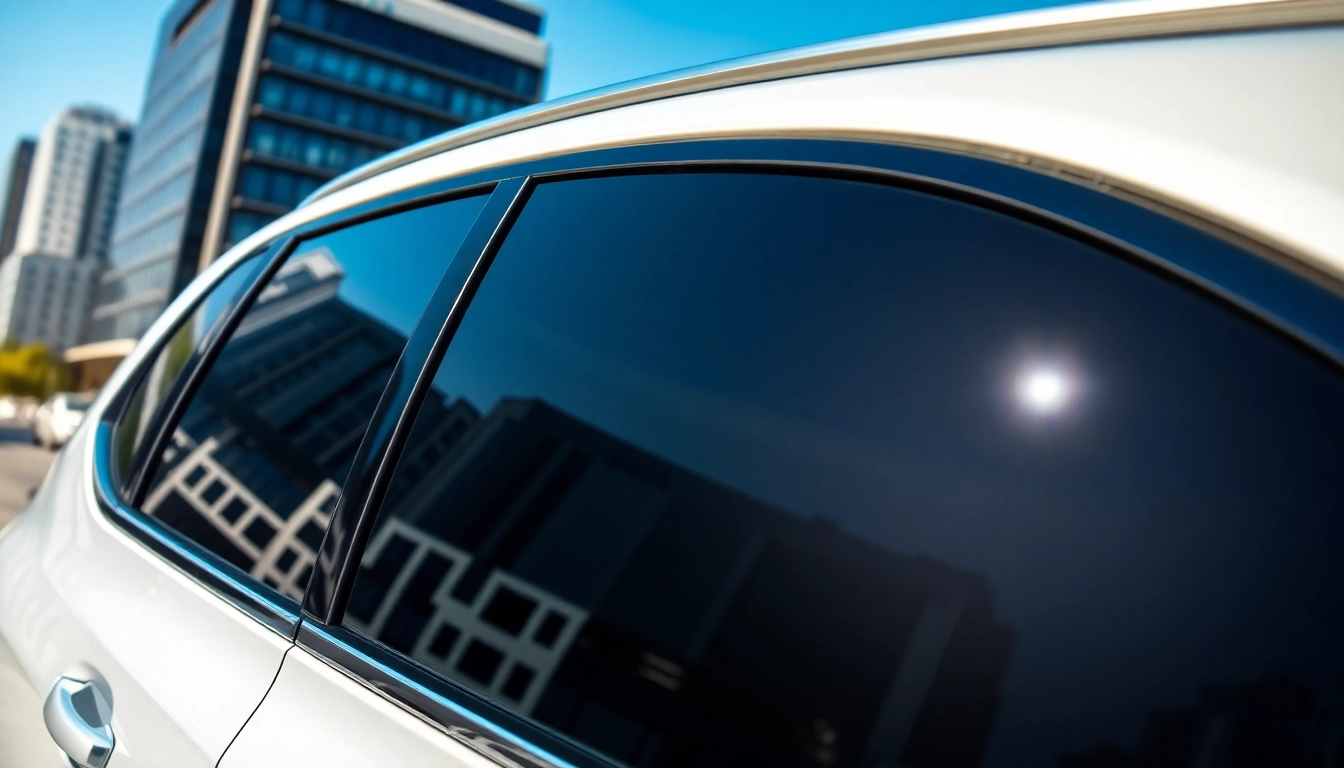
What is Ceramic Window Tint?
Definition and Composition
Ceramic window tint is an advanced type of window film that utilizes ceramic particles to block heat and UV rays effectively. Unlike traditional window tints that generally use dyes or metals, ceramic tints are made from non-conductive, non-metallic material, making them highly efficient and durable. This advanced composition allows the tint to maintain clarity while providing superior heat and glare reduction.
How It Differs from Traditional Window Tint
The primary distinction between ceramic window tint and traditional options lies in their composition and performance attributes. Traditional tints often rely on dyes or metal films, which can fade over time and may interfere with electronic signals from devices like GPS and smartphones. Conversely, ceramic window tint is not only more resilient against fading but also transparent, ensuring optimal visual clarity without compromising on protection.
Benefits of Using Ceramic Window Tint
Choosing ceramic window tint comes with an array of benefits, including enhanced comfort in hot climates, improved energy efficiency by reducing reliance on air conditioning, and minimizing glare from the sun. Additionally, its advanced composition provides superior UV protection, which can help to protect the vehicle’s interior and the skin of passengers. Consider investing in ceramic window tint for an improved driving experience.
Key Advantages of Ceramic Window Tint
UV Protection and Heat Rejection
One of the most significant features of ceramic window tint is its unparalleled ability to filter UV rays. Many ceramic films block up to 99% of harmful UV rays, reducing the risk of skin damage and interior fading. This feature is particularly advantageous for long drives and daily commutes.
Heat rejection is another critical advantage. Ceramic window tint reflects infrared radiation, which is responsible for the uncomfortable heat inside a car. This quality enhances the comfort for occupants and helps maintain a stable internal climate, even in sweltering conditions.
Enhanced Privacy and Security
Privacy is a chief concern for many vehicle owners. Ceramic window tint provides a significant degree of privacy from passersby while also offering enhanced glass shatter resistance. The film can hold shattered glass in place upon impact, reducing the risk of injury and deterring potential theft. This added layer of security makes it an attractive choice for families and individuals alike.
Durability and Longevity
When installed properly, ceramic window tints exhibit exceptional durability and longevity. Unlike traditional window tints, which may peel or bubble over time, ceramic films are less susceptible to these issues thanks to their robust composition. They have a lifetime warranty from most reputable manufacturers, reflecting their confidence in product endurance.
Factors to Consider Before Installation
Local Regulations and Laws
Before installing ceramic window tint, it’s essential to be aware of local laws and regulations regarding window tinting. These laws vary significantly by state or country, dictating the allowable percentage of visible light transmission (VLT) and reflective properties. Ensuring compliance can prevent potential fines and the need for costly removal.
Choosing the Right Shade
Selecting the appropriate tint shade is another critical consideration. While darker tints offer more privacy, they might impede visibility, particularly at night. Balancing aesthetic preferences with practical visibility is crucial for a satisfying end result. Consulting with a professional can guide you in making the best decision based on your individual needs and local regulations.
Professional vs. DIY Installation
While DIY installations can save costs, professional installation often proves to be more effective. Professionals have access to specialized tools and a wealth of experience that ensures a flawless application. Inadequate installation can lead to bubbles, peeling, or even damage to your vehicle’s windows. Evaluating the advantages and disadvantages of both methods will significantly affect the outcome of the project.
Application Process for Ceramic Window Tint
Preparation of the Vehicle
Prior to installation, it is essential to clean the windows thoroughly. Dust, dirt, and oils can hinder the bonding of the tint to the glass. Removing any obstacles, such as window trims or stickers, will facilitate a smoother application as well.
Step-by-Step Installation Guide
- Measure the windows: Accurately take measurements of each window to ensure the correct fit.
- Cut the film: Based on the measurements, cut the ceramic window tint film using precise measurements, allowing a slight excess at the edges.
- Apply solution: Generously spritz water or a solution onto the glass and the adhesive side of the film to facilitate easy maneuvering.
- Position the film: Carefully place the film on the window, ensuring it aligns properly.
- Squeegee the film: Start from the center and squeegee outward to remove air pockets and excess solution.
- Trim excess: Using a sharp blade, trim the film edges for a clean finish.
Post-Installation Care Tips
After installation, care is crucial for maintaining the integrity of the ceramic window tint. Avoid rolling down windows for at least 48 hours to allow for complete adhesion. Once this time has passed, clean using a mild soap solution and a microfiber cloth, avoiding abrasive materials that may damage the film. Regularly inspecting the tint for signs of damage can prolong its life significantly.
FAQs about Ceramic Window Tint
Is ceramic window tint legal in my area?
Check local laws, as they vary by state regarding tint levels and reflectivity.
How long does professional installation take?
Typically, it takes 2 to 4 hours depending on the vehicle and tint choice.
Will ceramic window tint fade over time?
No, one of its key benefits is its resistance to UV rays, ensuring long-lasting color.
How do I clean tinted windows?
Use a mild soap solution and a microfiber cloth to avoid scratching the film.
Can I remove ceramic window tint myself?
While possible, it’s best to consult a professional to avoid damaging the glass.
