
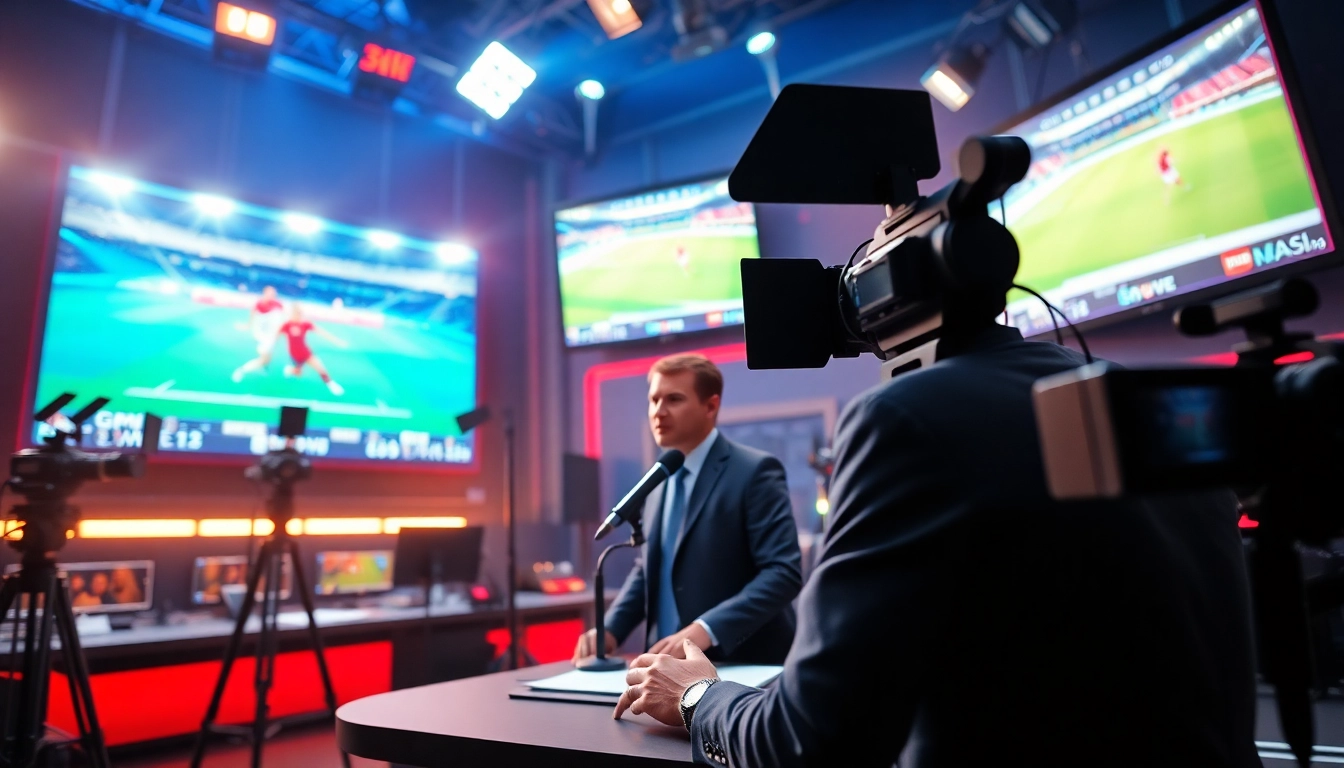
Understanding Sports Broadcasting
Sports broadcasting has transformed dramatically over the past several decades, evolving from simple radio commentary to multifaceted multimedia broadcasts encompassing television, streaming platforms, and social media. As it stands today, sports broadcasting plays a crucial role in the sports industry, influencing viewership patterns, fan engagement, and even the economic viability of sports leagues and events. For those interested in grasping the full scope of Sports Broadcasting, understanding its history, components, and innovation is vital.
The Evolution of Sports Broadcasting
Initially, sports were transmitted over the radio, presenting a unique challenge for broadcasters to create vivid mental images for their listeners. The first televised sports event occurred in the 1930s, paving the way for the gradual integration of television into our viewing habits. The rise of cable television and satellite services during the late 20th century further revolutionized sports broadcasting, bringing live sports into households across the globe. More recently, the advent of the internet and streaming services has redefined how audiences consume sports, making it possible for fans to watch events live on their devices, thus personalizing the viewing experience.
Key Components of Sports Broadcasting
Several components work in tandem to create an engaging sports broadcasting experience. These include commentators who provide play-by-play analysis, producers who ensure the program runs smoothly, and camera operators who capture every angle of the action. The quality of the broadcast relies heavily on the technology used, including high-definition cameras, drones for aerial shots, and advanced sound systems that immerse viewers in the atmosphere of the event. Together, these elements come together to facilitate a seamless viewing experience.
The Role of Technology in Sports Broadcasting
Technology is at the heart of modern sports broadcasting. Innovations such as instant replay, augmented reality overlays, and 360-degree cameras enhance the viewer's experience. Advanced graphics provide real-time statistics, while social media interaction generates a dynamic connection between the broadcast and viewers. Furthermore, machine learning algorithms are increasingly being used to analyze viewer preferences and predict behaviors, making broadcasts more tailored and engaging.
Types of Sports Broadcasting
Live vs. Recorded Sports Broadcasting
Live sports broadcasting is popular due to its immediacy and excitement. The adrenaline of watching an event unfold in real-time creates a unique thrill that recorded broadcasts lack. However, recorded sports provide opportunities for analysis and highlights, catering to audiences who may miss live events. Both formats have their place, but understanding audience preferences is essential for effectively reaching viewers.
Digital Platforms for Sports Broadcasting
Today’s viewers access sports through various digital platforms, including streaming services, mobile applications, and social media. These platforms allow audiences to engage with content in multiple ways, be it through short clips, streaming full games, or participating in interactive discussions during events. The shift towards digital has forced traditional broadcasters to adapt their strategies and find ways to monetize content through subscriptions and advertisements.
Understanding Audience Preferences in Sports Broadcasting
Understanding audience preferences is fundamental for effective sports broadcasting. Viewers today expect seamless content across various platforms, interactive features, and personalized experiences. Surveys and analytics can provide insights into viewer literature, allowing broadcasters to adapt their strategies accordingly. For instance, younger audiences might prefer bite-sized highlights on social media, while traditionalists may enjoy full game broadcasts.
Best Practices in Sports Broadcasting
Engaging with Your Audience
Engagement is key in sports broadcasting. Interactive elements such as polls, Q&A sessions with commentators, and social media interactions can enhance viewer experiences, making them feel integral to the event. Employing storytelling techniques to present the narratives of athletes can also increase emotional investment, fostering a deeper relationship between the audience and the sport.
Effective Communication Techniques
Communicators in sports broadcasting must employ clear and engaging language, ensuring that information is conveyed effectively without overwhelming viewers. Real-time updates, insightful analysis, and relatable commentary significantly enhance the viewer's understanding and enjoyment of the event. A strong connection and rapport between commentators can also elevate the overall experience of the broadcast.
Maximizing Social Media for Sports Broadcasting
Social media is a powerful tool for promoting sports broadcasts and enhancing audience engagement. Platforms like Twitter, Instagram, and TikTok can be used to share highlights, behind-the-scenes content, and real-time interactions. Developing a dedicated strategy for social media presence can drive significant viewer engagement and extend reach to younger audiences who primarily consume content online.
Challenges in Sports Broadcasting
Navigating Technical Difficulties
Sports broadcasters must be prepared for various technical difficulties, from equipment malfunctions to connectivity issues. In such instances, having backup plans in place, such as alternative feeds or pre-recorded segments, can help maintain the broadcast's integrity and avoid losing viewer engagement. Regular training for technical staff and routine maintenance of equipment can also mitigate these challenges.
Maintaining Viewer Engagement During Ad Breaks
Ad breaks present a significant challenge in retaining viewer engagement. Creative strategies like presenting exclusive behind-the-scenes content or allowing viewers to participate in interactive quizzes can help keep the audience entertained during these intervals. Additionally, finding the right balance in the frequency and duration of ad breaks is critical to avoid overwhelming viewers.
Legal and Ethical Considerations in Sports Broadcasting
Legal and ethical considerations are paramount in sports broadcasting. This includes respecting copyright rules and securing rights to broadcast certain events. Additionally, ethical journalism practices should be followed when reporting on sensitive topics, ensuring balanced and fair coverage. Building positive relationships with the sporting community can also bolster a broadcaster’s reputation.
Future Trends in Sports Broadcasting
The Impact of AI in Sports Broadcasting
The integration of artificial intelligence in sports broadcasting is transforming the landscape. AI technology can analyze vast amounts of data for enhanced viewer insights and personalized content. Applications may include automated highlight generation, enhanced graphics, and improved viewer recommendations based on viewing habits, leading to a more tailored experience.
Virtual Reality and Augmented Reality in Sports Broadcasting
Virtual reality (VR) and augmented reality (AR) have the potential to revolutionize how fans engage with sports. VR can create immersive viewing experiences that transport viewers to the venue, while AR can enhance broadcasts with interactive graphics that provide real-time insights. As technology progresses, these features may become commonplace, further enriching the sports viewing experience.
Predicting Audience Behavior with Big Data in Sports Broadcasting
Big Data analytics plays a crucial role in understanding audience behavior in sports broadcasting. By analyzing factors such as viewing habits, geographical data, and engagement metrics, broadcasters can tailor their content and marketing strategies to better meet audience needs and preferences. Continuous monitoring of this data enables broadcasters to make informed decisions, optimizing viewer engagement and satisfaction.
Frequently Asked Questions
What is Sports Broadcasting?
Sports broadcasting involves the transmission of live or recorded sports events through various media, including radio, television, and streaming platforms, catering to a wide audience.
How has technology changed Sports Broadcasting?
Technology has enhanced sports broadcasting through high-definition imagery, real-time statistics, social media engagements, and AI-driven insights, improving the viewer experience dramatically.
What types of Sports Broadcasting exist?
Sports broadcasting can be live or recorded, with formats catering to traditional media, digital streaming platforms, and social media outlets, each serving different audience preferences.
How important is audience engagement?
Audience engagement is crucial as it fosters loyalty and increases viewership. Employing interactive content and strong communications enhances the relationship with fans.
What challenges do Sports Broadcasters face?
Challenges include technical difficulties, maintaining viewer interest during ads, and adhering to legal and ethical standards in coverage, all of which require proactive strategies.